
Remove Distractions from Photos with AI
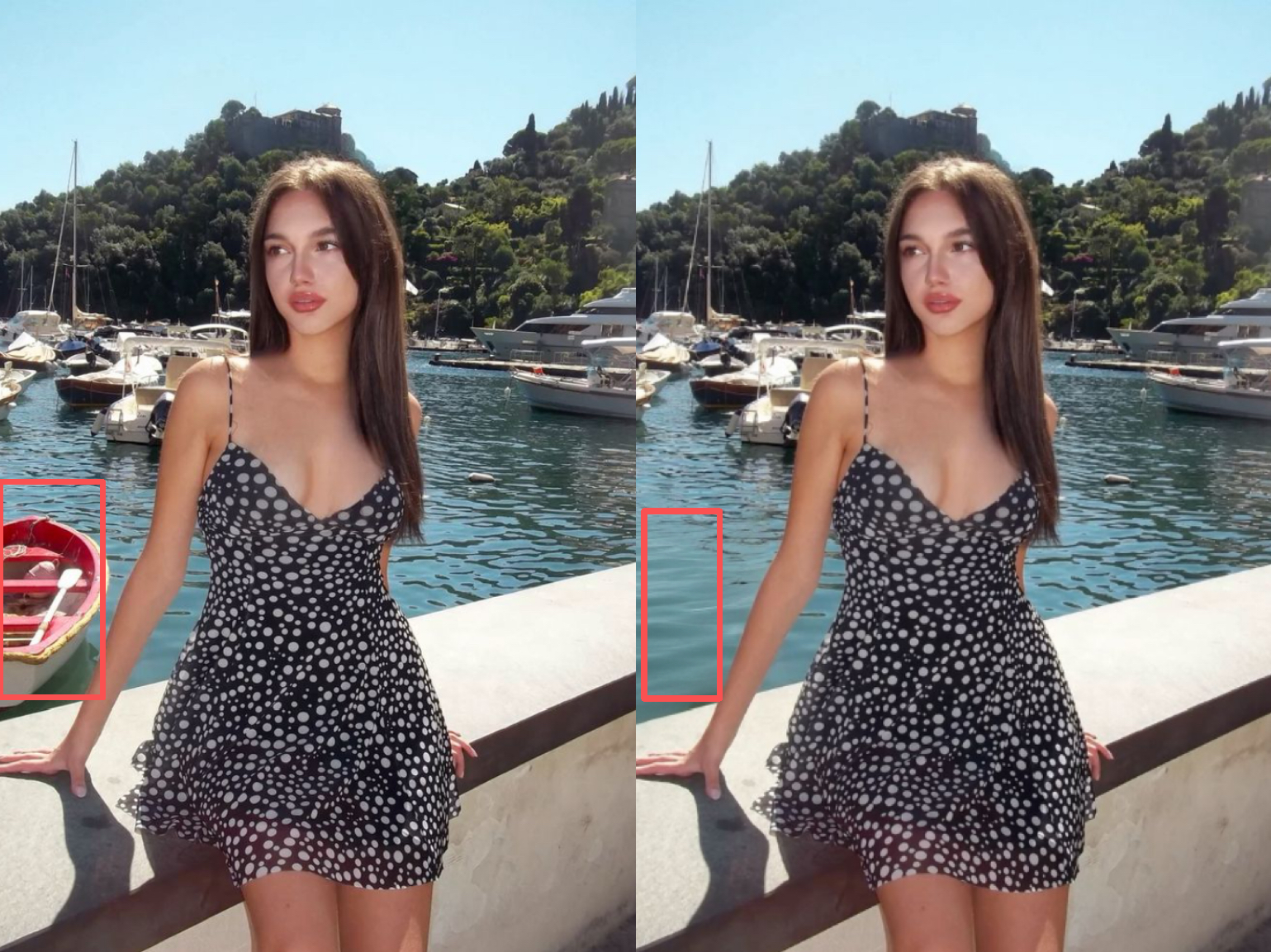
You don’t need to delete the photo.
You don’t need to hide it in a folder,
or pretend it wasn’t taken.
Sometimes, the moment was real.
The feeling was true.
But there’s something in the frame that pulls your attention away—
a stranger walking through a family portrait,
a phone pole growing out of someone’s head,
a stain on a wedding dress,
or a reminder of a time you’d rather not see so clearly.
What if you could gently remove it—not to rewrite the past,
but to help the essence of the moment come forward?
The noise fades. The essence stays. With intelligent refinement, the moment’s emotional core is protected while clutter dissolves.
This moment isn’t driven by polish. It’s guided by presence—the kind that doesn’t need to be flawless to be true.
It’s about making space for what matters.
Why Remove Something — Instead of Letting It Stay?
We often treat photos as sacred records—untouchable, unchangeable.
The truth of being human doesn’t fit into tidy frames. It spills, shifts, and resists cleanup.
The heart opens—and the oven beeps. The truth lands—and someone asks for snacks. Still, the moment remains.
A fly on the cake at a birthday party.
A trash can in the corner of a graduation photo.
An ex-partner in the background of a beach sunset you still love.
These aren’t flaws in the photo.
They’re echoes of reality.
But when they dominate your gaze, they can quietly overshadow the emotion behind the image.
AI-powered removal isn’t about creating fantasy.
It’s about restoring focus—like turning down background noise so you can hear a voice more clearly.
It allows you to keep the memory,without the visual weight of what no longer serves it.
The Quiet Relief of Cleaning a Memory
It’s not deception.
It’s curation with care.
When you remove a distraction—not to hide truth, but to honor feeling—something subtle shifts.
You’re not denying what happened.
You’re choosing what to hold onto.
Here’s what this gentle editing can quietly offer:
1. Emotional Closure Without Erasing History
If a person or object carries pain, removing it from a photo doesn’t erase the past—it simply reduces its visual power.
You keep the moment, but on your own terms.
2. Preserving Joy in Its Purest Form
A child’s first steps shouldn’t be remembered for the laundry pile in the background.
AI cleanup helps joy stand alone—uninterrupted, uncluttered.
3. Respecting the Present Self
Healing doesn’t rewrite history. It changes the weight of it—the old picture once felt heavy; now it simply tells a story.
To alter a past image isn’t to lie. It’s to say: This is no longer mine to carry, and that is an act of care.
4. It’s not about fixing flaws. It’s about preserving purpose—the reason the shutter clicked in the first place.
You framed the photo for the embrace, the sunset, the laughter.
When something else steals attention, AI can restore that original intent—like dusting off a forgotten frame.
5. A Private Act of Digital Care
No need to share the edited version.
This isn’t for social media.
It’s for you—the person who looks at the photo and feels something almost beautiful,
if only that one thing weren’t there.
How It Works — With Intention, Not Magic
Choose a photo that feels almost right – one where the emotion is real, but something pulls you out.
Mark what you’d like to remove – a person, object, stain, or text.
Let the AI fill the space naturally – using surrounding textures, light, and patterns to blend seamlessly.
Pause and look again – does the image now feel closer to how you remember it?
Does the emotion come through more clearly?
There’s no rule for what “should” be removed.
Only what feels right for you.
More Than Editing — It’s Reclaiming Your Gaze
This isn’t about faking memories.
It’s about protecting their emotional truth.
You won’t change what happened.
You won’t erase evidence.
But you can choose how you see it now.
Because memory isn’t just visual.
It’s feeling.
And sometimes, all it takes is a small edit
to help the heart catch up with the eye.